
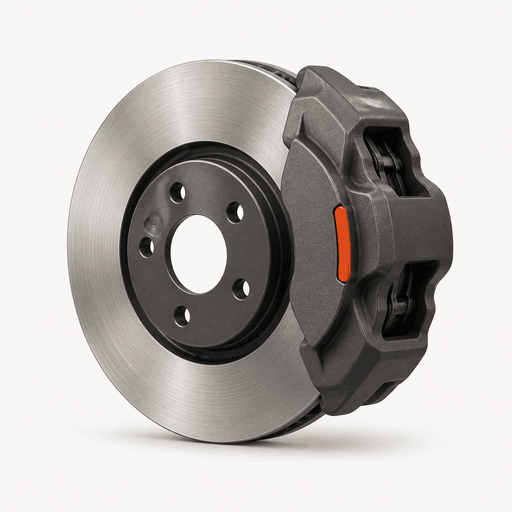
Levittown, PA / Stopping system
Brake Repair
For brake noise, vibration, or a change in pedal feel, start with an inspection. EXA checks the braking system, explains the measurements, and provides a written estimate before repairs.
7039 Mill Creek Rd, LevittownMonday – Saturday · 10–6
What drivers notice
Is this the right service?
- Squealing, scraping, or grinding sounds
- Vibration through the pedal or steering wheel while braking
- A brake warning light on the dashboard
- A pedal that feels soft, low, or different than usual
- The vehicle pulls to one side when stopping
- Longer stopping distances than you are used to
How EXA approaches it
What happens at EXA.
- 01
Tell us what you have noticed and when it happens — cold mornings, hard stops, or all the time.
- 02
We inspect the relevant braking components and measure what can be measured.
- 03
You receive the findings, photos when they help, and a written estimate.
- 04
Work begins only after you approve it.
- 05
We explain what was replaced and what to expect as new components bed in.
In more detail
What this service involves.
What a brake inspection actually looks at
EXA checks pad wear, rotor condition and measurements, caliper operation, hoses, lines, and brake fluid. Uneven wear can point to a problem elsewhere in the system, so the recommendation considers the cause as well as the worn part.
What the sound is telling you
Squealing, grinding, and vibration are useful clues, but they do not identify the repair on their own. Tell us when the symptom occurs and whether pedal feel or stopping performance has changed. If the vehicle feels unsafe, call before driving it.
When brake work is due
Frequent stops, towing, and carrying weight all affect brake wear. There is no single replacement mileage for every driver. Measurements and the condition of your braking system determine the recommendation.
Related problems
Understand the symptom.
- Brake noise
Grinding Noise When Braking: Grinding when you stop is not a squeal you can wait out. What the noise usually means, and what to do about it before driving much further.
- Braking vibration
Vibration or Shaking When Braking: A shake felt only while braking commonly points at the rotors. How to tell it apart from a balance problem, and what to note before you book.
Service questions
What to know before the visit.
Can you tell me what the noise means over the phone?
A sound can point us in a direction, but a safe recommendation requires inspecting the vehicle. Call or book a time and describe when the sound occurs — whether it happens cold, under hard braking, or continuously tells us where to start.
Will I see the estimate before repairs?
Yes. EXA provides a written estimate and asks for your approval before work begins. If something is found during the repair that changes the estimate, you hear about it before it becomes a charge.
Do rotors always need replacing with the pads?
No. Whether a rotor can stay depends on its measured thickness, its surface condition, and whether there is thickness variation causing vibration. Some rotors are within specification and can remain; others are past the manufacturer minimum and cannot safely be reused. The measurement decides it, not a policy.
Is it safe to keep driving until my next appointment?
That depends entirely on what the vehicle is doing, and it is not a question to answer casually. Grinding, a pedal that sinks, or a vehicle that pulls under braking should be looked at before further driving. Call and describe it — if you should not be driving it, we will say so.
How long does brake work take?
It depends on the vehicle and on parts availability, which is usually what determines the timeline. You will be told what to expect for your specific vehicle before you commit to the work.
Ready when you are
Ready to plan your visit?
Tell us when the noise or vibration happens and whether the pedal feels different. Call before driving if you are unsure the vehicle is safe.